
A common area of struggle and confusion for students working on their dissertations is the theoretical framework. In this blog series, we cover the most popular theories we come across in our work with dissertation students. Please be aware that these are merely theory overviews and are in no way all-encompassing. Hopefully, these overviews will help guide you in your dissertation by giving you some familiarity with major theories.
Adult Learning Theory
Adult learning theory helps explain how adults learn, how they acquire new knowledge and skills, and how to facilitate their learning in effective ways. The theory holds that adults have unique learning needs and preferences that differ from those of children. Understanding these needs is crucial for creating effective educational programs and experiences for adults.
Adult learning theory emphasizes the importance of self-directed learning, experiential learning, and the relevance of learning to the learner’s life and goals. It also recognizes that adults come to the learning process with a wealth of prior knowledge and experience. They can leverage this to enhance their learning.
Key Principles of Adult Learning
One of the key principles of this theory is that adults are motivated to learn when they perceive a need or desire to do so. This means that effective educational programs must be designed to appeal to the learner’s interests and goals. As well as provide clear and relevant learning objectives. Another important principle is that adults learn best when they are actively engaged in the learning process. This means that educational programs must provide opportunities for learners to interact with the material, practice new skills, and receive feedback on their progress.
Experiential Learning
Experiential learning is another key component of adult learning theory. This approach emphasizes the importance of learning through experience. It recognizes that adults learn best when they can apply their knowledge and skills to real-world situations.
The theory of adult learning has evolved over time, with many different scholars and practitioners contributing to its development. Some of the most influential figures in this field include Malcolm Knowles, Jack Mezirow, and David Kolb, among others.
Influential Figures
One of the most influential figures in the field of adult learning is Malcolm Knowles. He developed a set of principles for adult learning known as “andragogy.” According to Knowles (1980), adult learners are self-directed, have a wealth of prior experience and knowledge, and are motivated to learn when they perceive a need to do so. Andragogy emphasizes the importance of creating a supportive and collaborative learning environment; it also encourages adult learners to take an active role in their own learning.
Another influential figure in the field of adult learning is Jack Mezirow, who developed the theory of transformative learning. This approach emphasizes the importance of critically reflecting on one’s own assumptions and beliefs; it also holds that adults can experience profound changes in their understanding of the world through the process of learning. Another key figure in the field of adult learning is David Kolb, known for his work on experiential learning. Kolb (1984) emphasized the importance of learning through experience. Kolb also suggested that adults learn best when they reflect on their experiences and apply their learning to new situations.
Additional Resources:
Theoretical or Conceptual Framework? What’s the Difference and Which One Should You Use?
How to Begin Writing your Theoretical Framework
As a qualitative research mentor, one of the areas I see clients struggle with is establishing the trustworthiness of their studies. Qualitative research has many avenues through which trustworthiness can be established, including member checking, triangulation, and peer debriefing. One method that many clients overlook is thick description.
What is Thick Description?
Thick description is a qualitative research methodology that seeks to provide detailed accounts of social phenomena, including cultural practices, social interactions, and symbolic meanings. It was introduced by anthropologist Clifford Geertz in his book, The Interpretation of Cultures, and has since become a popular method in various fields of social science. It involves gathering a vast amount of information about a particular phenomenon under investigation and analyzing it in detail to uncover its hidden meanings and nuances. Thick description has become increasingly popular among researchers. It allows them to generate rich and comprehensive descriptions of complex social phenomena. In this essay, we will discuss why a researcher should use thick description to demonstrate trustworthiness.
Provides a Detailed Account of Research Context
Thick description enables researchers to provide a detailed account of their research context. A thick description offers a comprehensive understanding of the cultural, social, and historical context in which the research is conducted. Understanding the broader context of the research and avoiding misrepresentation or contextual errors in the results is essential, making this information crucial. By providing a detailed account of the research context, researchers can demonstrate their credibility and build trust with their audience.
Helps Identify and Avoid Potential Biases
Thick description also can help to identify and avoid potential biases. When conducting qualitative research, the researcher’s own experiences, beliefs, and assumptions can influence the interpretation of the data. However, by using thick description, researchers can uncover their own biases and challenge their assumptions. This process helps to ensure that the data analysis is objective and grounded in the evidence. Thereby increasing the trustworthiness of the research.
Need help conducting your Thematic Analysis? Leverage our 30+ years of experience and low-cost service to make progress on your results!
Schedule now using the calendar below.
Click below to see a testimonial from a satisfied Intellectus customer!
Identifies Unique Features of a Phenomenon
Additionally, thick description allows for the identification of the unique features of a particular case or phenomenon. By analyzing the data in detail, researchers can identify the specific aspects of a phenomenon that are important and unique. This information helps to contextualize the research findings and provide a more comprehensive understanding of the phenomenon under investigation. By identifying the unique features of a phenomenon, researchers can demonstrate their expertise and build trust with their audience.
Explores Complexity and Diversity of a Phenomenon
Thick description allows for the exploration of the complexity and diversity of a phenomenon. Qualitative data is often complex and diverse, and it can be difficult to capture the full range of experiences and perspectives in a single study. However, by using thick description, researchers can explore the nuances and complexities of the data and provide a more comprehensive understanding of the phenomenon. This process helps to ensure that the research is grounded in the evidence and is not oversimplified, thereby increasing its trustworthiness.
Provides a Detailed Account of Research Methods
Thick description enables researchers to provide a detailed account of their research methods. Qualitative research often lacks well-defined or standardized research methods. This can lead to questions about the validity and reliability of the research. However, by providing a detailed account of their research methods, researchers can demonstrate their rigor and transparency. This information helps to build trust with the audience and increase the credibility of the research.
Explores Subjective Experiences of Research Participants
Finally, thick description allows for the exploration of the subjective experiences of the research participants. Exploring the subjective experiences of research participants is often the focus of qualitative research, which quantitative studies may find difficult to capture. However, by using thick description, researchers can explore the subjective experiences of the participants and provide a more comprehensive understanding of the phenomenon under investigation. This process helps to ensure that the research is grounded in the evidence and is not oversimplified, thereby increasing its trustworthiness.
Conclusion
In conclusion, thick description is a research methodology that can enhance the trustworthiness of qualitative data. By providing a detailed account of the research context, identifying and avoiding potential biases, exploring the unique features of a phenomenon, exploring the complexity and diversity of a phenomenon, providing a detailed account of research methods, and exploring the subjective experiences of the research participants, researchers can demonstrate their expertise and build trust with their audience. Therefore, it is essential for researchers to use thick description to ensure the trustworthiness of their research findings.
References
Geertz, C. (1973). The Interpretation of Cultures: Selected Essays. Basic Books.
Rouse, R. (1989). Making Sense of Ethnography: A Critique of Clifford Geertz’s Interpretation of Culture. New Literary History, 20(3), 591-611.

Citation managers such as Mendeley and EndNote have become increasingly popular among researchers as tools for organizing, storing, and citing literature. Conducting research is an essential aspect of academic and scientific work. Keeping track of relevant literature can be overwhelming, especially when dealing with a large number of sources. In this blog, we will explore the benefits of citation managers and why they are a valuable addition to the research process.
Organize and manage references
One of the primary benefits of citation managers is their ability to help researchers organize and manage references. They allow users to import references from various sources and categorize them into folders or collections based on topics, keywords, or projects. This feature allows researchers to keep track of their references, eliminate duplicates, and easily locate specific sources when needed.
Generate citations and bibliographies
Another benefit of citation managers is their ability to generate references and bibliographies in various styles automatically. By using citation managers, researchers no longer need to spend time formatting references and bibliographies manually, which can be a tedious and time-consuming task. Instead, citation managers generate accurate references and bibliographies with just a few clicks. This will save researchers time and ensure consistency in their work.
Collaboration
Citation managers also facilitate collaboration among researchers by allowing them to share references and collaborate on projects. This feature enables researchers to work together, share resources, and eliminate the need for emailing or sending references manually. Additionally, they offer a commenting feature that allows users to leave notes and feedback on shared references, which can facilitate communication and lead to more productive collaboration.
Stay up to date with the latest research!
Citation managers help researchers stay up to date with the latest research by providing alerts and notifications when new articles are published. This feature enables researchers to stay current with the literature in their field, which is essential for producing high-quality research.
Final Remarks
In conclusion, citation managers such as Mendeley and EndNote are valuable tools for researchers. They provide a range of benefits, including organizing and managing references, generating citations and bibliographies, facilitating collaboration, staying up-to-date with the latest research, and increasing productivity. Therefore, researchers should consider using these tools to enhance their research process and streamline their workflow.
Additional Resources
Ordering Your References, Reference Style, and Citing a Work with No Author
APA Editing: How to Avoid Common Mistakes

The dissertation process is a long and challenging journey, and receiving feedback from reviewers can be a critical step in the process. Reviewer feedback can be difficult to accept, but it is an opportunity to improve your dissertation and make it the best it can be. Here are some strategies for effectively addressing reviewer feedback during the dissertation process.
First and foremost, it is important to approach feedback with an open mind. Avoid getting defensive or taking comments personally. Instead, try to understand the reviewer’s perspective and see how their feedback can help improve your dissertation. Another important step is to take the time to carefully read and understand the feedback. Don’t rush through it or skim over it. Take the time to fully understand the reviewer’s comments and the reasoning behind them.
Once you have a clear understanding of the feedback, create a plan of action. Prioritize the changes that need to be made, and be realistic about what can be accomplished in the time you have. Break the changes down into smaller, manageable tasks and set deadlines for yourself. It’s also important to communicate with your advisor and committee members during this process. They can provide additional guidance and support as you address the reviewer’s feedback.
Finally, don’t be afraid to ask for help if needed. Seek out the help of peers or other experts in your field if you’re struggling with a particular aspect of the feedback.
Final Remarks
In conclusion, receiving feedback from reviewers can be a daunting experience, but it’s an opportunity to improve your dissertation and make it the best it can be. By approaching feedback with an open mind, carefully reading and understanding the feedback, creating a plan of action, communicating with your advisor and committee members, and seeking help when needed, you can effectively address reviewer feedback and ultimately improve your dissertation. One option to consider is hiring a dissertation consultant, such as Statistics Solutions. Statistics Solutions companies specialize in providing guidance and support to students throughout the dissertation process, including addressing reviewer feedback. They can offer expert advice on how to effectively address the comments and concerns raised by reviewers, and provide support in revising and improving your dissertation.
Additional Resources
Dealing With a Challenging Committee
Addressing Committee Feedback Quickly and Efficiently

The purpose statement in a dissertation is a clear and concise statement that explains the overall aim of the research. It is a crucial part of any research project because it sets the direction and focus. Typically included in the introduction, it acts as a roadmap, guiding the research process and keeping it on track.
The purpose statement should be specific, clear, and concise, and it should align with the research problem and research questions. A well-written statement will help to guide the research and provide a clear understanding of the research aims to the reader.
The problem statement usually has a specific construction, such as “The purpose of this (approach; design) study is to (examine; explore) (the variables or concepts) in (sample and setting).” This construction helps to ensure that the purpose statement is clear and specific. Here’s an example of a purpose statement using the above formula: “The purpose of this quantitative correlational study is to examine the relationship between transformational leadership and emotional intelligence in middle managers in the northeastern United States.”
Verbs such as “examine” and “investigate” are more suited to quantitative research. While the verb “explore” is more suited to qualitative studies. Additionally, once your purpose is approved or set, whenever you mention it again in your study, it should remain the same. Your purpose does not change.
Need help with your research?
Schedule a time to speak with an expert using the link below.
Finally, the purpose statement usually begins the purpose section of your Chapter 1. The purpose section may also include specific information about the variables, major concepts, or instruments used in the study. Overall, it’s a crucial element of any dissertation, as it sets the direction and focus of the research, as well as helps guide the entire research process.
To recap, the purpose statement…
- 1. Is a clear and concise statement that explains the overall aim of the research.
2. Usually has a specific construction.
3. It helps to keep the focus of the research on track.
4. Will help guide the research and provide a clear understanding of the research aims to the reader.
5. Should align with the research problem and research question.
Additional Resources
Dissertation Alignment: Problem, Purpose, and Research Questions
The Problem with Problem Statements: Part 1
The Cochran–Mantel–Haenszel test is also known as the Mantel-Haenszel test or the Mantel-Haenszel chi-square test. Researchers use this statistical procedure to evaluate the association between two categorical variables while controlling for the effects of a third categorical variable. Typically, contingency tables, also known as cross-tabulations, display the distribution of observations among multiple categories.
The Cochran–Mantel–Haenszel Test
The test is named after its three developers, William Cochran, Nathan Mantel, and William Haenszel. The test was first introduced in the 1950s. It has since become a widely used tool in the field of epidemiology for assessing the relationship between risk factors and the occurrence of a particular disease or outcome. Other fields, including sociology and psychology, widely use the test.
The test determines if there is a significant association between two categorical variables by stratifying the data with respect to a third variable. The chi-square statistic is the test statistic that determines whether the observed frequencies in the contingency table deviate significantly from the expected frequencies, assuming independence between the two variables. The test does not necessitate normal distribution of the data, but it does require independent observations.
Advantages
One of the key advantages of the Cochran–Mantel–Haenszel test is its ability to control for the effects of confounding variables. The presence of a third variable can distort the relationship between two variables, causing confounding to occur. By stratifying the data by the confounding variable, the test can account for its effects and provide a more accurate estimate of the association between the two variables of interest.
Need help conducting your analysis? Leverage our 30+ years of experience and low-cost same-day service to complete your results today!
Schedule now using the calendar below.
Another advantage of the test is its ability to handle multi-way contingency tables. By extending the test to handle more than three variables, researchers can use it as a useful tool for analyzing complex data sets.
Final Remarks
In conclusion, the Cochran–Mantel–Haenszel test is a useful statistical method for evaluating the association between two categorical variables while controlling for the effects of a third categorical variable. Many fields widely use it because it is robust to departure from the assumption of normality. It is also useful to handle multi-way contingency tables. However, it is important to ensure the observations are independent before applying the test.
Additional Resources
Conduct and Interpret a Logistic Regression
Using Chi-Square Statistic in Research

Self-confidence is a character trait most people would assume graduate students working on their dissertations possess. After all, a dissertation is a book-length project that requires intelligence, insight, dedication, and perseverance to complete. As such, people assume those beginning their journey have a certain level of self-confidence. However, that’s not always the case. In this blog post, I’m going to present a case study of one of my clients who lacked this confidence. We will discuss what caused them to struggle, and explain how I helped them build that confidence and move forward.
N.B. The names and specifics have been changed to ensure client confidentiality.
The Client’s Situation
This client, whom we’ll call Leigh, was a professional counselor serving a marginalized community. They noticed a glaring gap in the literature surrounding burnout among counselors and sought to conduct a study to help fill that gap. At the time Leigh began their doctoral studies, they had been out of school for almost a decade. The combination of the stressful nature of their job, the swiftness of the chair’s desired timeline for completion, and the forgotten proficiency in reading academic writing created a perfect storm that threatened to wash away Leigh’s self-confidence.
The Ultimate Cause of the Struggle
At the eye of this perfect storm was one primary cause of frustration: the opaque wording on the dissertation template. Not every school provides students with a template, and while templates aim to be general enough so as to apply to all disciplines, not all templates provide the level of detail and/or clarity needed by all students. In Leigh’s case, the template was detailed but dense. It had long, confusing sentences that were filled with jargon.
Leigh had a firm grasp of their framework, problem, literature, and planned methodology; however, the template’s wording remained confusing and opaque to them. As one might expect, this proved frustrating.
Leigh approached us for assistance with their Methodology chapter, and I was assigned to be their mentor. During our initial consultation, Leigh demonstrated their understanding of all aspects of their proposed study. Their words, however, revealed a lack of confidence. When I inquired about why they felt defeated, they responded that while they knew what they needed to do, they found themselves unable to understand how to meet the requirements the template set forth for the chapter.
Solutions Tailored to the Client’s Needs
After we discussed the various options for how I could help them, Leigh insisted that they be the one to draft the chapter. They also confided that it felt overwhelming to draft this chapter as they looked at the requirements.
Normally, during the initial consultation, we go over the requirements for each section of the Methodology chapter before the client works on a draft that we then edit for them. From her nonverbal reactions during our discussion, I could see Leigh’s anxiety growing at the thought of this process. As a result, I offered an alternative: We would discuss only a few sections during that meeting. Leigh would then draft those sections. After they emailed me those sections, we would schedule another meeting to discuss the next few sections, repeating the process as needed.
This helped relieve some of Leigh’s anxiety and made the project manageable. In each of our meetings, I went over 2-3 sections of the chapter and explained what was required. Sometimes, I provided examples for Leigh to look at. With each subsequent meeting, Leigh’s confidence grew. They were always capable of doing the work, but they needed a boost over the fence doubt and fear had erected to prevent them from seeing their capability.
Final Thoughts
Each client is different. Each has their own circumstances, and each needs different types of assistance. Our website discusses the specific assistance we offer clients in each stage of the dissertation process. What Leigh needed was someone to listen, to understand their struggles and fears, and to then show them how to move forward. I met Leigh where they were, saw the struggle, and guided them in overcoming it. Self-confidence is essential for successful completion of the dissertation process, but the process is long and arduous. It’s easy to lose confidence in one’s abilities, sometimes, the greatest service we can provide is helping the client see their own capability.
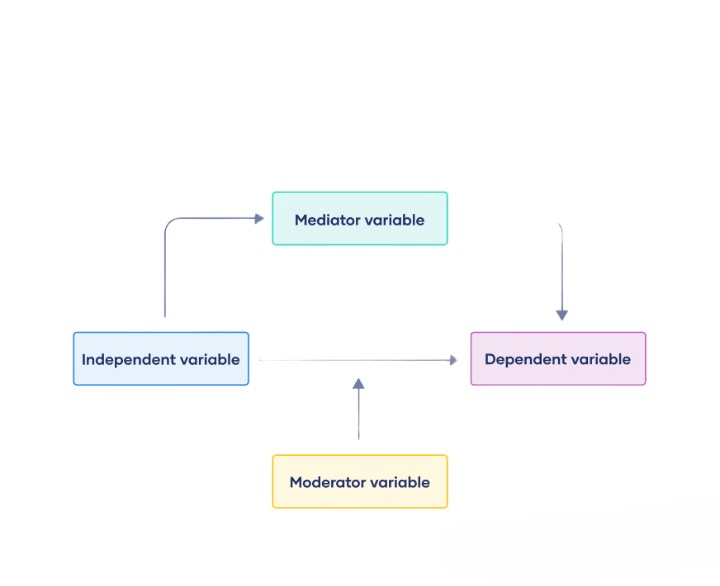
Researchers use moderation and mediation analyses as two statistical techniques in the field of causal inference. But they both serve different purposes and have distinct characteristics. Understanding the similarities and differences between these two techniques is vital when choosing the appropriate method.
Need help conducting your analysis? Leverage our 30+ years of experience and low-cost same-day service to complete your results today!
Schedule now using the calendar below.
Mediation analysis examines how an IV influences a DV through a mediator. This analysis aims to uncover the underlying mechanism or pathway that explains the effect of the IV on the DV. Researchers use structural equation modeling to focus on the causal connections from the IV to the DV through the mediator.
Moderation analysis examines when the effect of the IV on the DV changes. It identifies a moderator that changes the strength or direction of the IV-DV relationship. Researchers typically use multiple regression analysis to highlight when the IV’s impact on the DV varies.
Both mediation and moderation analyses help dissect the causal relationships between variables, but they serve distinct functions. Mediation explains the pathway through which an effect occurs, answering the “how” and “why” of the IV-DV relationship. Moderation examines when the IV-DV relationship changes, revealing the effect’s context.
Mediation analysis clarifies how the IV impacts the DV through a mediator. Moderation analysis explores how a moderator alters the relationship between the IV and DV. Mediation outlines the causal pathway between variables. Moderation highlights the conditions that affect the strength of these relationships.
In summary, researchers use mediation and moderation analyses as key statistical methods for causal inference, each serving unique purposes and approaches. Mediation analysis delves into the mechanism by which the IV affects the DV through a mediator, whereas moderation analysis determines the conditions that alter the IV-DV relationship. Recognizing the distinctions and similarities between these techniques is crucial for selecting the most appropriate analytical approach in research.
Healthcare Example: Mediation Analysis
Scenario: Researchers want to understand how a new physical therapy program (independent variable) improves patients’ mobility (dependent variable) after knee surgery. They suspect that the improvement in mobility is due to increased muscle strength (mediator) that the therapy program promotes.
Mediation Analysis: The researchers set up a study to measure patients’ muscle strength throughout the therapy program. Using mediation analysis, they aim to demonstrate that the physical therapy program directly increases muscle strength, which in turn leads to improved mobility. This analysis would help in confirming that the key mechanism by which the therapy program enhances mobility is through strengthening muscles. If the mediation is significant, it supports the conclusion that muscle strength is a crucial intermediary in the recovery process.
Social Science Example: Moderation Analysis
Scenario: A study is designed to examine the effect of a new educational program (independent variable) on student performance (dependent variable). Researchers hypothesize that the effectiveness of the program varies by the initial skill level of the students (moderator).
Moderation Analysis: In this case, multiple regression analysis is used to assess how the relationship between participation in the educational program and student performance differs across students of varying skill levels. The analysis might reveal that the program significantly improves performance for students with lower initial skill levels but has less impact on students who already possess high skill levels. This moderation analysis underscores the importance of considering initial skill level as a critical factor that influences the program’s effectiveness.
These examples illustrate how mediation and moderation analyses can be utilized to gain deeper insights into the mechanisms and conditions under which specific interventions or programs exert their effects. In healthcare, mediation analysis helps unravel the processes underlying treatment outcomes, while in social science, moderation analysis sheds light on the contexts that enhance or diminish the effectiveness of educational programs.
Additional Resources
What is the difference between moderation and mediation?
Modern Approaches to Moderation and Mediation

When conducting qualitative research, it’s important to keep in mind the ethical considerations that come with it. These ethical considerations can be tricky to navigate. Taking them seriously is crucial to ensure that we conduct our research in an ethical and responsible manner.
Informed Consent
One of the most important ethical considerations in qualitative research is informed consent. This means that participants must be fully informed about the research and participation must be voluntary. This includes informing them of the purpose of the study, the methods that will be used, and any potential risks or benefits. It’s also important to ensure that participants have the right to withdraw from the study at any time.
Confidentiality and Privacy
Another important ethical issue is confidentiality and privacy. It’s crucial that we protect the identity and personal information of our participants. This includes not disclosing their names or any other identifying information in any publications or presentations. Ensure the security and protection of collected data by taking steps to prevent unauthorized access.
Harm
Potential harm to participants is also a significant ethical concept. It’s important to consider the potential risks of the research, such as emotional distress, and take steps to minimize these risks. Put a plan in place for providing support and resources to participants in the event that they experience harm as a result of the research.
Power and Privilege
Finally, it’s important to consider issues of power and privilege in qualitative research. It’s crucial that we are aware of our own biases and how they may influence the research. Be aware of the potential for exploitative relationships between researchers and participants, and take steps to avoid these.
In conclusion, ethical considerations are an important part of qualitative research. Be aware of the potential ethical issues that may arise, and take steps to address them, so we can ensure that our research is conducted in an ethical and responsible manner. Remember, ethical considerations are not only a requirement, they are a way to ensure the safety and well-being of the participants and the integrity of the research.
Additional Resources
Ethics of Qualitative Research: Part 1
Validity in Qualitative Research
Course: Ethical Considerations

Dealing with a challenging committee can be a difficult experience for many doctoral students, but it is a common part of the dissertation process. Satisfactorily addressing each committee member’s feedback can feel like walking a tightrope. There are several strategies that you can use to manage the situation and successfully navigate this experience. Here are some tips on how to deal with a challenging committee.
Preparation and Organization
Keep in mind that you are not the only student that your committee has been assigned to. Identify how many students your committee is working with and develop a consistent schedule in which you can communicate with them. Organize weekly meetings with your committee members so you are always on the same page. Screenshare with Zoom to review feedback together and record meetings so you can rewind, pause, and take notes
Templates and Examples
Before working on any content for your dissertation, locate your school’s dissertation template. A majority of schools provide a dissertation template that identifies the section headings and content that is required for each section. Some universities even provide a rubric or checklist for each section. In addition, ask your committee members for previously approved dissertations that they have worked on in the past. This will give you a baseline understanding of what will be acceptable for approval.
Maintain Professionalism
No matter how difficult the committee process can be, it is important to maintain your professionalism and remain calm and composed. Avoid becoming defensive or argumentative, and instead, respond to their questions and comments in a respectful and professional manner. Don’t rush your committee with reviews but if you feel it is taking a long time, reach out for a progress update. If you don’t agree with a comment or suggestion that they have provided, have a reference or citation to support your claim.
Seeking Support
Don’t be afraid to ask questions. I’ve seen both extremes where some students refuse to ask any questions, while other students are over-reliant on their committee and ask too many questions. You want to find the sweet spot right in the middle. You don’t want to bombard your committee with questions that could potentially be answered independently. Demonstrating initiative can go a long way when it comes to committee reviews.
Additional Resources
Addressing Feedback – Getting Through Quickly and Efficiently